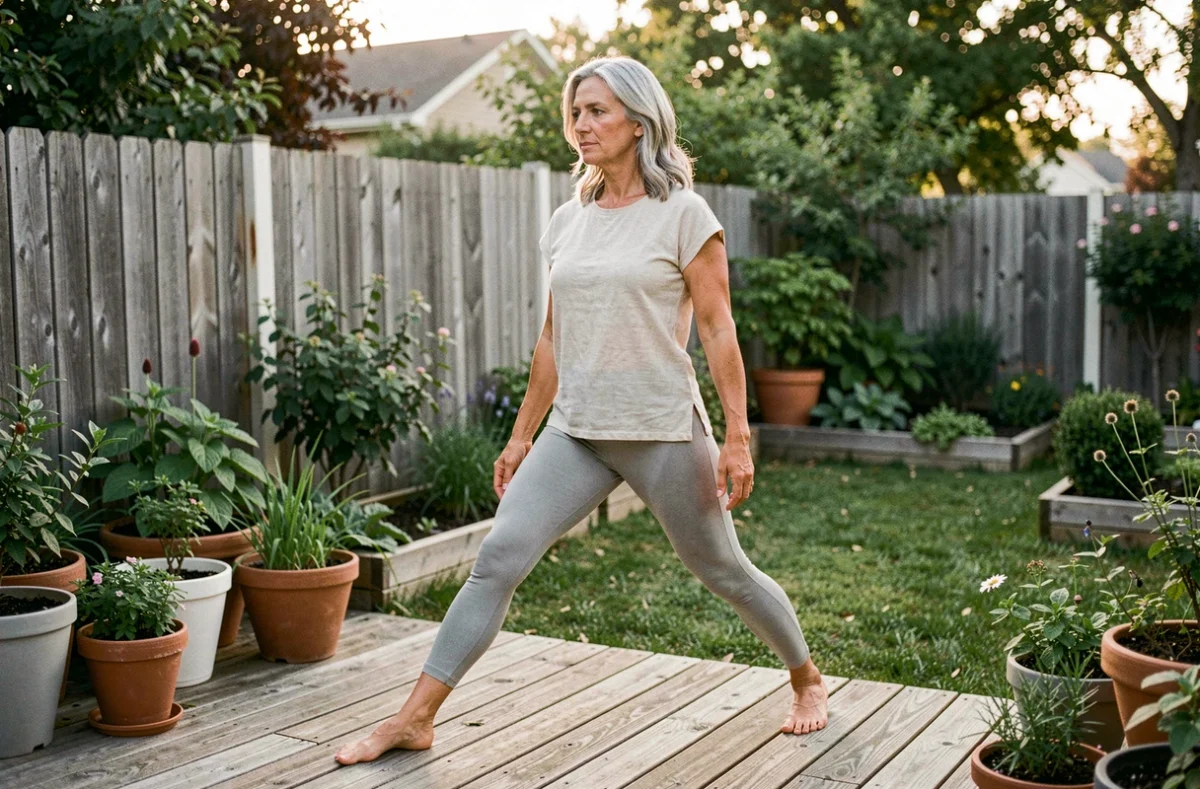
Your back stiffens after an hour of sitting, your nights get shorter, or your appetite fluctuates with the seasons. These signals from your body aren’t limited to any particular age: they can appear at 30 or 70. Everyday health depends on practical steps, often small ones, that adapt to each stage of life. The key is knowing which ones really matter and how to fit them in without turning your schedule upside down.
Environmental health: the factor diet alone can’t address
Have you noticed your throat feeling scratchier after cycling home through the city centre? The air you breathe, the products you use to clean your kitchen and your exposure to UV rays can affect your health just as much as what’s on your plate.
Santé.fr’s environmental health recommendations include specific steps. Ventilating during or just after cleaning limits your exposure to volatile compounds found in common cleaning products. When cycling, choosing a route with less heavy traffic reduces exposure to fine particles.
Heat is another factor that is often underestimated. Adapting your home—closing the shutters during the day and ventilating at night—can protect someone in their thirties working from home just as much as a retired person living alone. These adjustments cost nothing and improve indoor air quality and thermal comfort, two direct contributors to everyday well-being.
To explore these topics further, Tranquilité Santé’s health advice covers several prevention strategies tailored to different needs.
Physical activity for every age: stay active without getting injured
A common pitfall is trying to run five kilometres overnight after months of inactivity. Physical activity that benefits your health isn’t measured by performance, but by consistency and by adapting to your body as it is today.
Why walking remains a foundation at every age
Walking engages your muscles, bones and cardiovascular system without putting impact on your joints. It’s free, possible almost anywhere and easy to adjust in duration depending on how you feel that day. A daily walk protects both your joints and your mood.
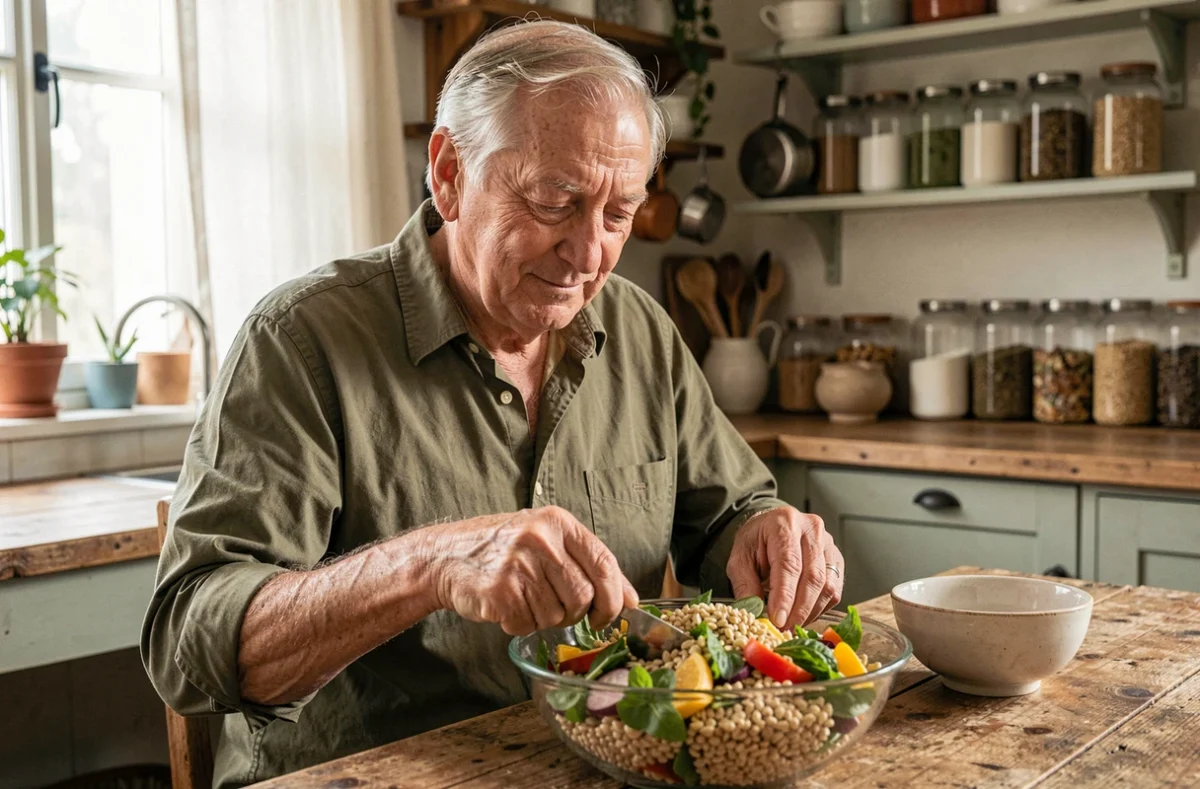
For people over 60, gardening is a useful complement. It combines varied movements, time outdoors and mental stimulation (planning, observing and adapting).
Physical activity and mental health
The link between movement and psychological well-being goes beyond the simple release of endorphins. The national nutrition and health network notes that physical activity can be a practical way to support mental health, particularly when dealing with chronic stress or mild depressive episodes.
You don’t need a gym membership. Taking the stairs, getting off the bus one stop early or stretching your back for five minutes every morning can have measurable long-term effects.
Prevention and screening: the free preventive health check
Prevention isn’t just about “being careful”. Since the “Mon bilan prévention” programme was introduced, a dedicated, free and personalised appointment has been available at certain key ages.
- This check-up gives you the opportunity to discuss your lifestyle, eating habits, physical activity levels and vaccination status with a healthcare professional.
- It results in practical priorities tailored to your situation, rather than generic advice that’s the same for everyone.
- The appointment doesn’t necessarily take place at a doctor’s office: according to Egora, pharmacists carry out most of the recorded check-ups, and physiotherapists have been included in the programme since October 2026.
Preventive care is now available at pharmacies, not just in doctors’ offices. Offering more locations makes it easier to access for people who rarely seek medical care or live in areas where appointment wait times are long.
Diet and sleep: two pillars that work together
Eating a balanced diet and getting a good night’s sleep are familiar recommendations. What’s less well known is how they interact. A meal that’s too heavy in the evening can make it harder to fall asleep. Fragmented sleep can increase cravings for fatty and sugary foods the next day. These two pillars can either reinforce or undermine each other.
Diet: consistency matters more than perfection
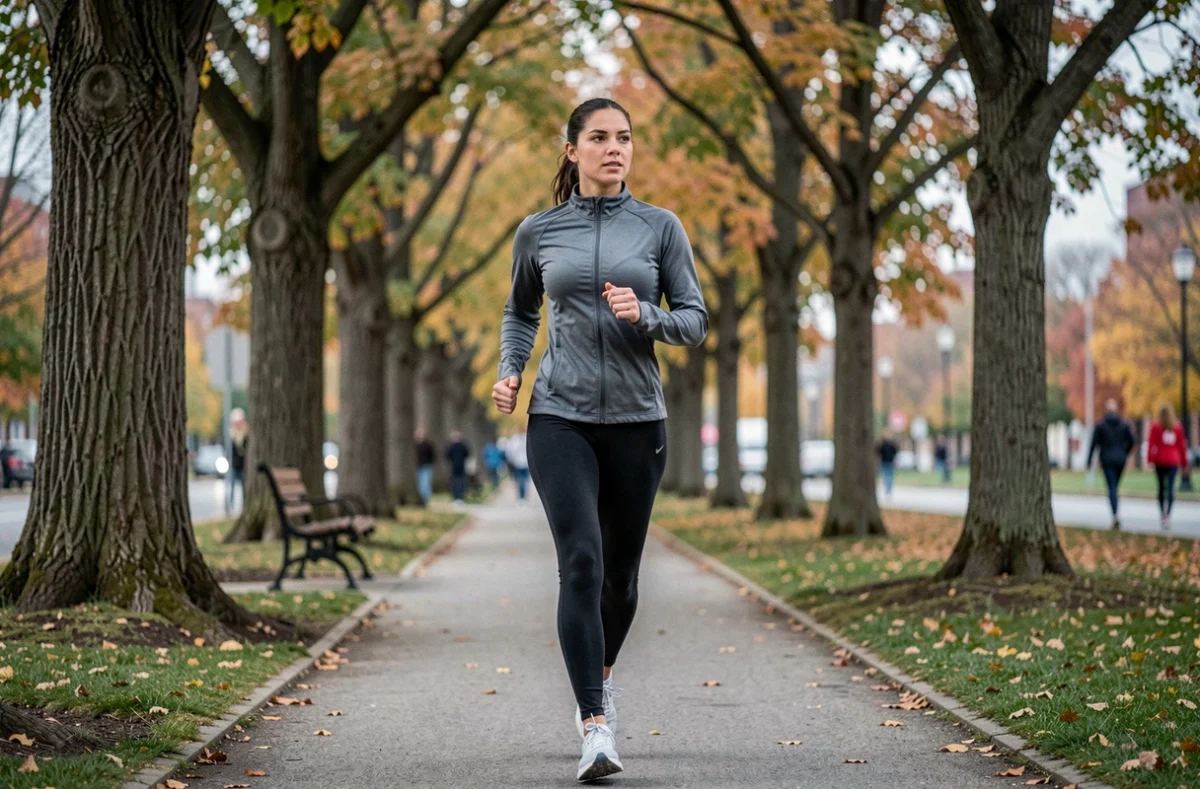
Eating a varied diet doesn’t have to be complicated. Three meals at fairly regular times, with vegetables at each main meal and enough protein (meat, fish, pulses or eggs), cover most everyday nutritional needs.
Protein needs increase with age to help maintain muscle mass. Skipping lunch or having nothing but soup for dinner can contribute to gradual muscle loss, a risk factor for losing independence.
Sleep: quality over the recommended number of hours
Sleep naturally changes with age. Night-time awakenings become more frequent, and deep sleep gets shorter. This isn’t a problem in itself, as long as you still get enough restorative sleep.
- Keeping a regular bedtime, including at weekends, helps reset your internal clock.
- Avoiding screens for an hour before bed reduces exposure to blue light, which delays melatonin production.
- If problems persist, a healthcare professional can identify a specific cause (such as sleep apnoea or restless legs syndrome) rather than letting fatigue set in.
Chronic poor sleep makes almost every other risk factor worse. Accumulated fatigue reduces your motivation to stay active, affects your food choices and can undermine your mood.
Social connection and mental stimulation: preventing isolation at any age
Social life isn’t just an added comfort. Prolonged isolation accelerates cognitive decline and increases the risk of depression, whatever your age. Keeping in regular contact—even briefly—with family, neighbours or members of a community group can help protect your health.
Mental stimulation works on the same principle. Reading, learning a new skill, playing a strategy game or simply varying your usual routes engages different neural pathways. The brain stays active through use, not rest.
These habits don’t require you to overhaul your schedule. Calling someone for ten minutes a day, taking part in a group activity once a week or signing up for a local class is enough to break the beginnings of isolation. The preventive health check mentioned above can also identify this kind of vulnerability and point you towards suitable resources.