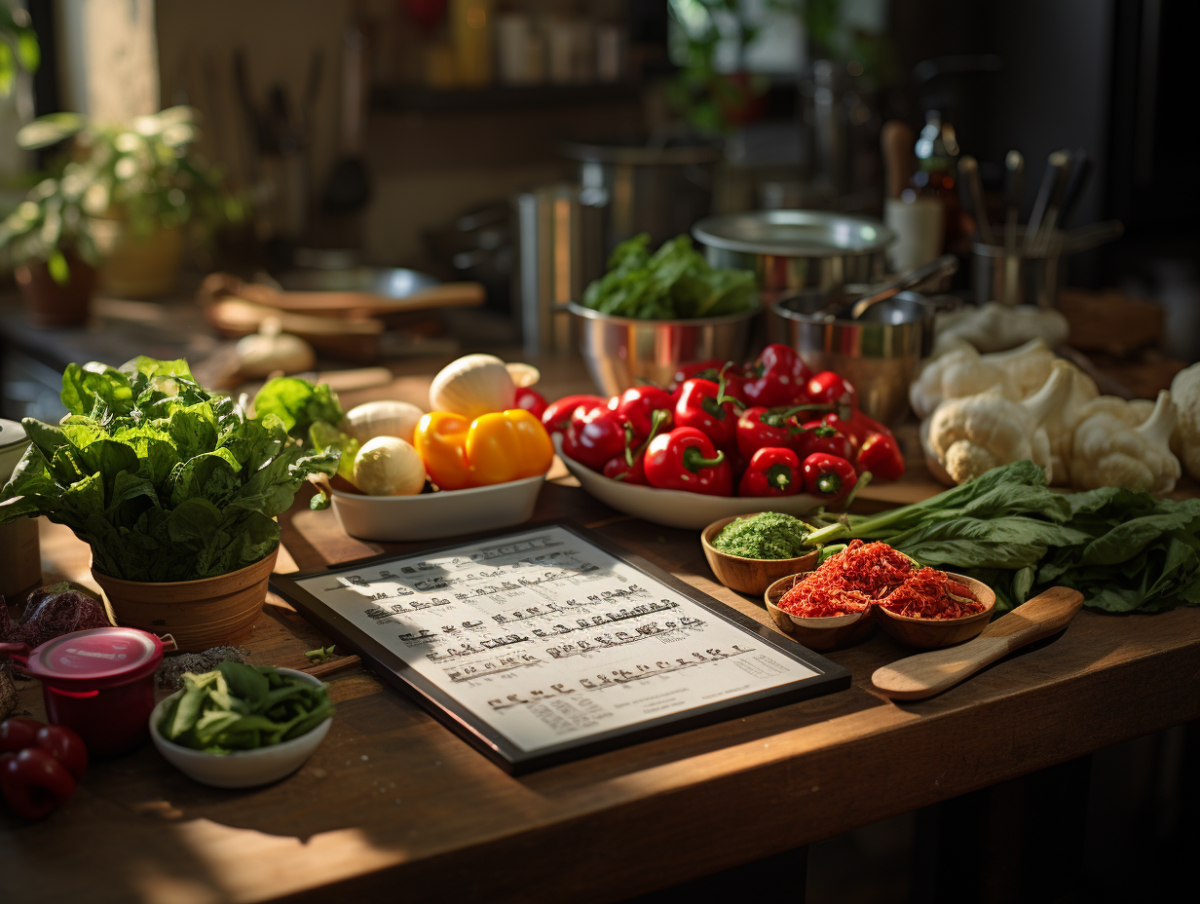
In culinary art, precision is king. When it comes to converting volumes to adjust recipes, the margin for error is slim. This know-how, often overlooked by amateurs, can nonetheless be acquired through tips and proven techniques. Whether it’s converting cup measurements to milliliters or adjusting proportions for a different number of guests, mastering this skill is essential to ensure success in the kitchen. From simple tools like conversion tables and appropriate utensils to more elaborate methods, there are numerous ways to achieve the desired precision.
The Fundamentals of Volume Conversion in Cooking
Measurement units in cooking are the compass for the cook, allowing them to navigate through various recipes from around the world. Accurately measuring liquid ingredients such as oil, milk, or sauces, and dry ingredients like flour, sugar, or spices, depends on the correct use of these units. If a recipe calls for ’25cl to g’, the operation is not just a simple numerical conversion; the density of the ingredients comes into play, complicating the task.
Recognizing the density of ingredients is therefore crucial for precise conversion between measurement units. It influences the mass of a given volume: for example, 25cl of milk will not weigh the same as 25cl of oil due to their different densities. Density is a significant factor in the conversion equation, requiring special attention.
Use unit conversions wisely, knowing that recipes are not mere equations but rather delicate creations that demand a balance between science and art. This fundamental understanding will equip you with the ability to adjust recipes flexibly, ensuring consistency in culinary results and an unparalleled gastronomic experience. Take charge of this alchemy of volumes to transcend the boundaries of traditional cooking and innovate in your preparations.

Tips and Techniques for Accurate and Effective Conversions
Mastering precision in the kitchen is an art that begins with understanding and rigorously applying conversions. Using a digital kitchen scale is recommended for measuring ingredients with great accuracy. For liquid ingredients, prefer measuring cups with clear graduations, suitable for the metric system in use. Such rigor is essential, especially in professional catering, where the reproducibility of recipes is a hallmark of quality.
A reliable conversion chart is an indispensable tool to keep handy in a professional kitchen. These charts facilitate the transition from one unit to another and provide a quick overview of equivalences. For common measurements, memorize key conversions or display them in your workspace to enhance efficiency and confidence when preparing your dishes.
Specialized measuring tools, such as kitchen scales, measuring cups, and graduated spoons, are essential for effective conversion. Invest in quality tools that ensure accurate measurement and will withstand the test of time. Be sure to calibrate them regularly and keep them in good condition to ensure their precision.
Experience and intuition also play a role in adjusting recipes and flexibility in preparation. As you become familiar with conversions and the specifics of the ingredients you use, you will develop an ability to estimate and adjust measurements according to the desired outcome. This expertise contributes to consistency in culinary results and the adaptability of recipes to various contexts and preferences.