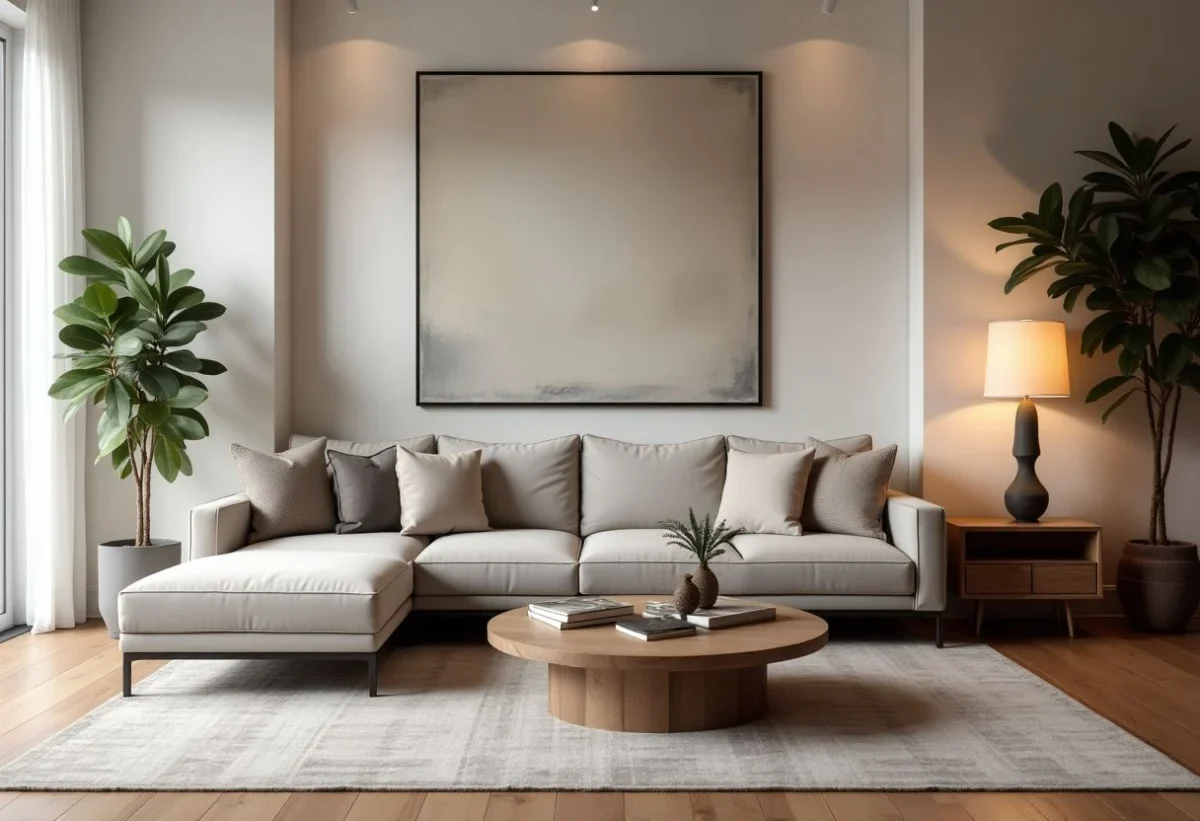
The sofa occupies a central place in our homes, both for its utility and its aesthetic impact. This piece of furniture, often considered the heart of the living room, is the silent witness of our daily lives. It welcomes our moments of relaxation, our family gatherings, and sometimes even our work moments. When it comes to choosing the ideal sofa, a multitude of factors come into play: design, comfort, size, and of course, budget. A true reflection of our lifestyle and personality, it deserves special attention during its acquisition.
A Brief History of the Sofa
The sofa has a rich and fascinating history, evolving over the ages to adapt to the needs and tastes of each era.
- Antiquity: Since Antiquity, the Egyptians and Romans used seats similar to modern sofas, although these were often reserved for the elite.
- Middle Ages: Comfort was secondary at that time; seats were primarily functional and often made of hardwood.
- Renaissance: It was during this period that the sofa began to embellish itself, becoming a symbol of luxury and sophistication with the addition of cushions and refined fabrics.
- Contemporary Era: Today, the sofa comes in an infinite variety of styles and materials, offering optimal comfort while meeting modern aesthetic demands.
The Different Types of Sofas
Choosing a sofa can seem like a daunting task given the diversity of available models. Each type offers specific characteristics suited to particular needs.
For design enthusiasts, the corner sofa is often favored. Thanks to its L-shape, it maximizes space by providing ample seating, ideal for large families or spacious living rooms. Convertible sofas, or click-clack sofas, are prized for their versatility, transforming a living room into a guest bedroom in the blink of an eye.
In a more classic register, the Chesterfield sofa remains timeless with its tufted leather and majestic appearance. Finally, the modular sofa appeals with its flexibility, allowing for the reorganization of modules according to mood or current needs.
Materials and Manufacturing: An Essential Choice
One of the most determining aspects when purchasing is undoubtedly the material. This influences not only the appearance but also the durability of the sofa.
Leather, for example, is often associated with a certain luxury and offers undeniable robustness. Easy to maintain, it develops a unique patina over time. For a softer and warmer look, fabric remains a popular option. Materials like linen or cotton bring a natural touch, while velvet evokes timeless elegance.
Wood, used for the structure, is crucial for the stability of the sofa. Hardwoods like beech or oak ensure strength and longevity. Finally, high-resilience foams for the cushions provide lasting comfort and resist sagging better.
How to Choose the Ideal Sofa
Choosing the perfect sofa requires considering several criteria that go beyond mere visual appeal.
The cheap sofa may attract with its price, but it is crucial to check the quality of construction. The available space in your living room plays a major role in determining the size and shape of the sofa. A model that is too large can clutter the space, while one that is too small may not meet your needs. Comfort should be evaluated based on usage: relaxation, hosting, or even remote work.
Current trends favor neutral colors and clean shapes, but do not hesitate to express your personality through bold patterns or bright colors.