Soil that is too rich in nitrogen can hinder the flowering of many plants, while excessive watering promotes diseases rather than growth. Growing herbs in pots is still possible even without full south exposure, as long as you adjust the frequency of watering.
The sowing calendar varies by several weeks depending on the regions, despite the standard indications on seed packets. Some species deemed difficult, such as tomatoes or zucchinis, can sometimes be more tolerant of beginner mistakes than classic lettuces.
Getting started without stress: what you really need to know before starting your garden
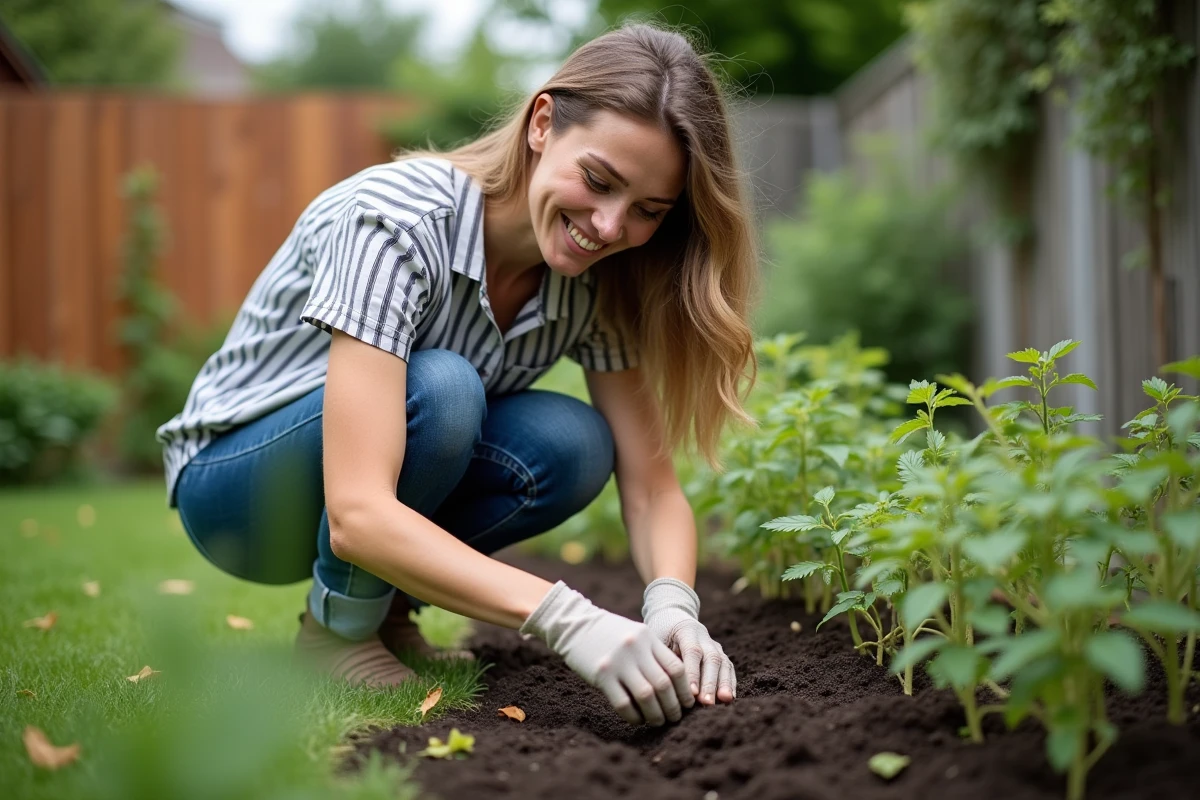
One is not born a gardener; one becomes one, often by daring, testing, and then trying again. Here, no prior knowledge is required: gardening is open to anyone who wants to try, whether on a narrow balcony, in a patch of lawn, or within a community garden. Everyone creates their own path. The essential thing is to get started, alone or together, sometimes with children discovering the magic of life. Scratching the soil, observing germination, encountering a worm or a ladybug: everything becomes an opportunity to learn, to be amazed, to share. This connection with the earth, even modest, benefits both body and mind.
The choice of location matters more than one might think. Terrace, window box, or small patch of soil: each space has its advantages and limitations. Look at the light, check access to water, and note the proximity of trees whose roots might compete with your plantings. It’s better to think before acting. A garden notebook, some notes on the varieties to try or on the distribution of crops, a sowing schedule adapted to your timetable: this is enough to start without a hitch. Even in a small space, taking care in soil preparation gives you a head start.
The garden is never a solitary adventure. Workshops, local groups, AMAP, shared gardens: these initiatives multiply opportunities for exchange and progress. You discover other ways of doing things, draw inspiration from permaculture, and see biodiversity gradually establish itself, even in the city. Stay attentive, adapt, and don’t be afraid of the unexpected. Curiosity and perseverance turn every mistake into a useful lesson. The tips from Jardiner Facile, with advice tailored to each context, are here to support your first steps and give you the confidence to see your garden thrive, even if everything is new to you.
What tools and plants to choose for an easy-to-maintain first garden?
No need to equip yourself like a professional: a few well-chosen tools are more than enough to get started. Opt for simplicity and precision: a spade for working the soil, a trowel for planting young shoots, a watering can or hose for irrigation, sturdy gloves to avoid injuries. Small spaces accommodate compact tools very well. Add a rake and pruning shears, then consider mulching to limit evaporation and slow the progression of unwanted plants. Nothing superfluous, just the essentials.
For what you grow, keep it simple and effective. Aromatic herbs like basil, chives, and mint thrive both in pots and in the ground. In the vegetable garden, radishes, salads, and cherry tomatoes provide quick and rewarding results. Their maintenance remains accessible, even for beginners. To brighten the whole, add a few hardy flowers: marigolds, nasturtiums, and African marigolds. They color the decor, attract pollinators, and naturally protect the crops.
Here are some tips to guide your choice:
- Favor local and perennial varieties: they acclimate easily, require less water, and often resist diseases better.
- Opt for raised beds, hanging pots, or vertical planters: these solutions maximize space and make maintenance easier, especially in the city.
Also think about nourishing the soil: compost and natural fertilizers provide gentle fertility that is environmentally friendly. A mulch of chips or leaves keeps the soil cool and saves you many waterings. Technical solutions simplify life, but the essential thing remains to observe, adjust, and trust what you see. Even without experience, this first garden can quickly become a source of pride.
Organizing your space and successfully maintaining it through the seasons: practical advice for progressing with confidence
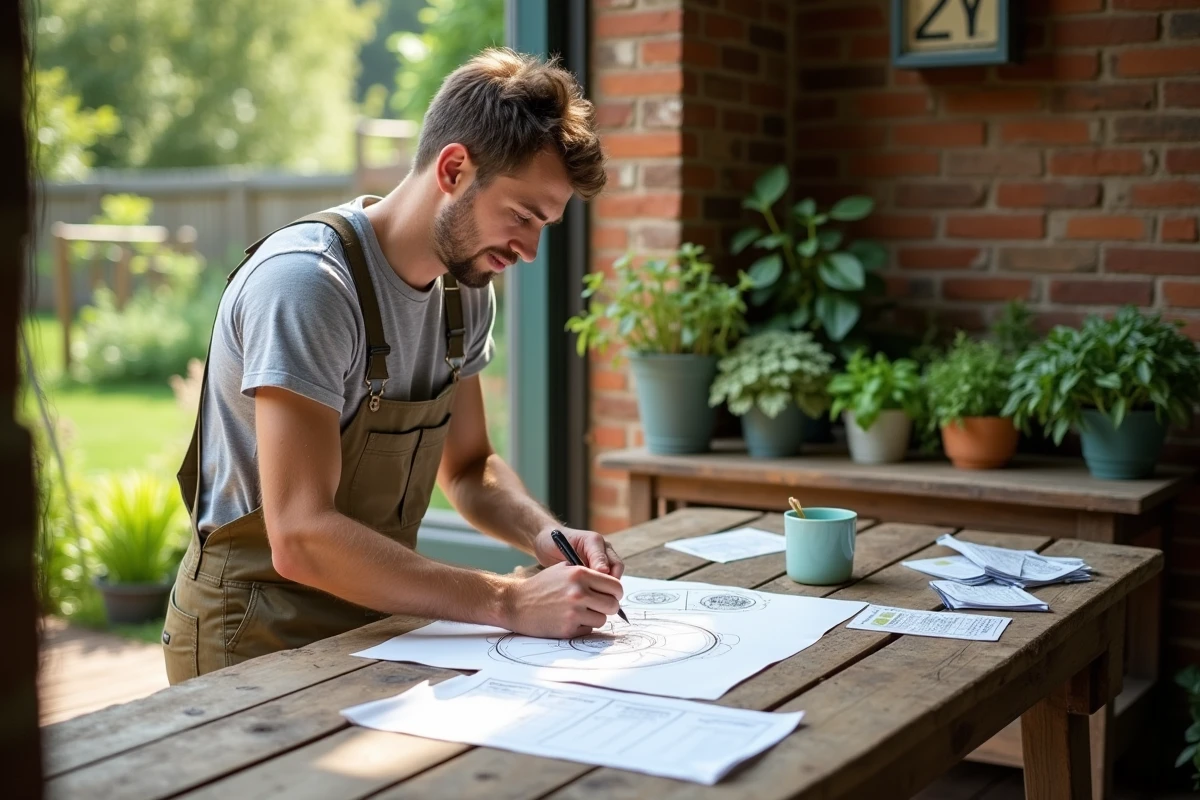
Giving structure to your space, even modest, allows for greater serenity. Whether scribbled on a sheet or recorded in a dedicated notebook, a planting plan helps anticipate the rotation of vegetables and use each plot wisely, from the vegetable patch to the urban planter. Place the tallest plants to the north to avoid shading, reserve full sun for those that love it, and protect seedlings from wind with a light cover. This organization, even if basic, facilitates success.
The choice of plant associations makes a difference. Relying on the complementarity of plants promotes biodiversity and limits interventions. For example: tomatoes appreciate the proximity of basil, carrots get along well with leeks, and marigolds naturally attract beneficial insects. These alliances slow down pests and energize the soil. For each season, refer to a sowing calendar suited to your climate: it tells you when to plant, when to harvest, and helps you avoid misalignments.
Some regular actions ensure the maintenance and health of the garden: mulching, composting, watering judiciously, and weeding without excess. Observe your crops closely: a change in color, an aphid attack, stunted growth? It’s better to intervene early than late. Flowers, in addition to their beauty, attract bees and ladybugs, valuable allies for a balanced garden.
Gardening is learned over the seasons, patiently. Every failure becomes a lesson, every success is etched in memory and inspires you to go further. Nothing is fixed: here, everything is built, tested, and reinvented. Year after year, the garden becomes a living testament to your learnings and desires.