Your day cream may already contain an anti-aging active ingredient without you knowing it. The lines between makeup and skincare are blurring, the scalp is treated like the face, and algorithms are starting to dictate routines. This year’s beauty and skincare trends are not just about new packaging: they reflect a fundamental change in how we care for our skin and hair.
Scalp Care: The Skincare Routine Applied to Hair
You apply a serum to your face every evening. Have you ever considered the same logic for your scalp? This is the shift that cosmetics are taking this year.
The scalp is an extension of the facial skin, with its sebaceous glands, pores, and hydration needs. Brands are now developing dedicated ranges: exfoliants to remove dead skin cells, hair density serums, targeted growth oils. The demand for these products has surged on major online sales platforms, to the point of forming an identified sub-category of the beauty market.
Specifically, a scalp routine looks like this: a gentle scrub once a week, followed by a nourishing serum applied section by section. Aloe vera gel, long confined to sunburn relief, is making a strong comeback as a soothing base before treatment. Treating the scalp before the hair improves hair density over time.
What separates this approach from a simple hair mask is the regularity and precision. We are no longer talking about generic “hair care,” but a protocol tailored to the nature of your scalp, whether it is oily, dry, or sensitive. Several references available on the espace-beaute.net website illustrate this upgrade in targeted hair care.
Hybrid Cosmetics: When Makeup Becomes Skincare
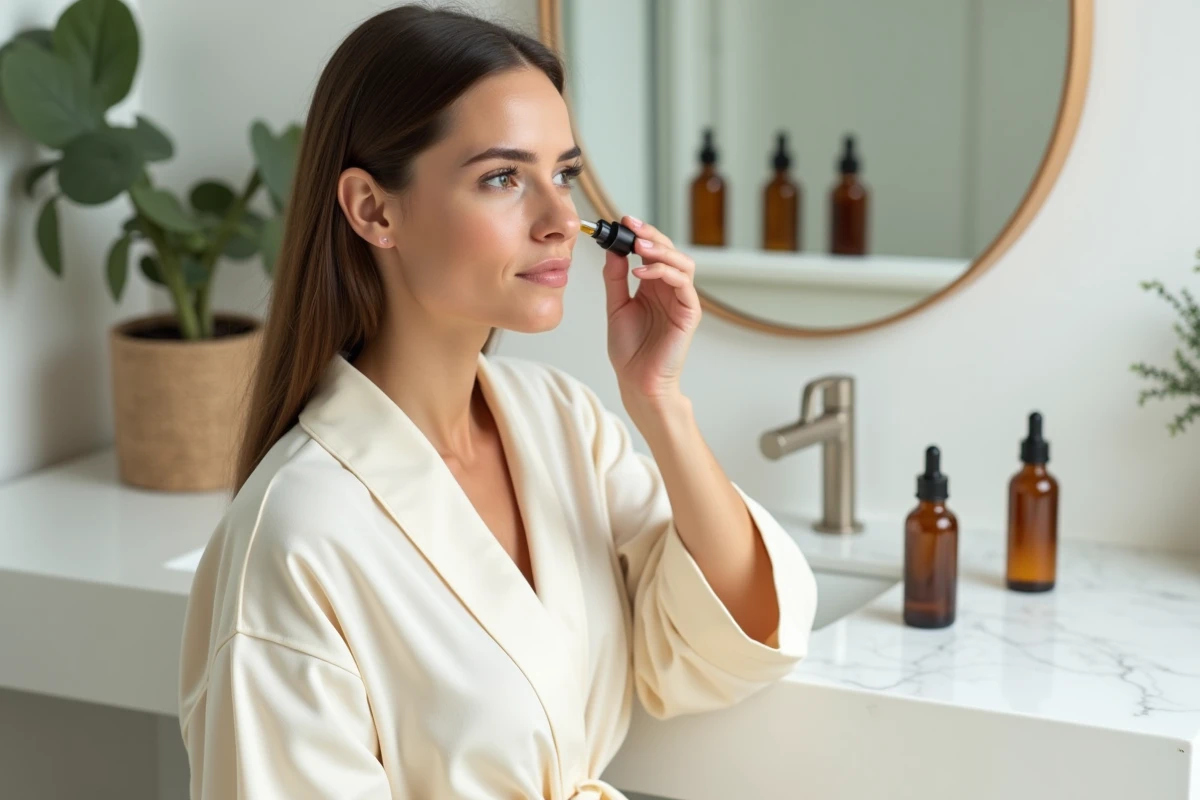
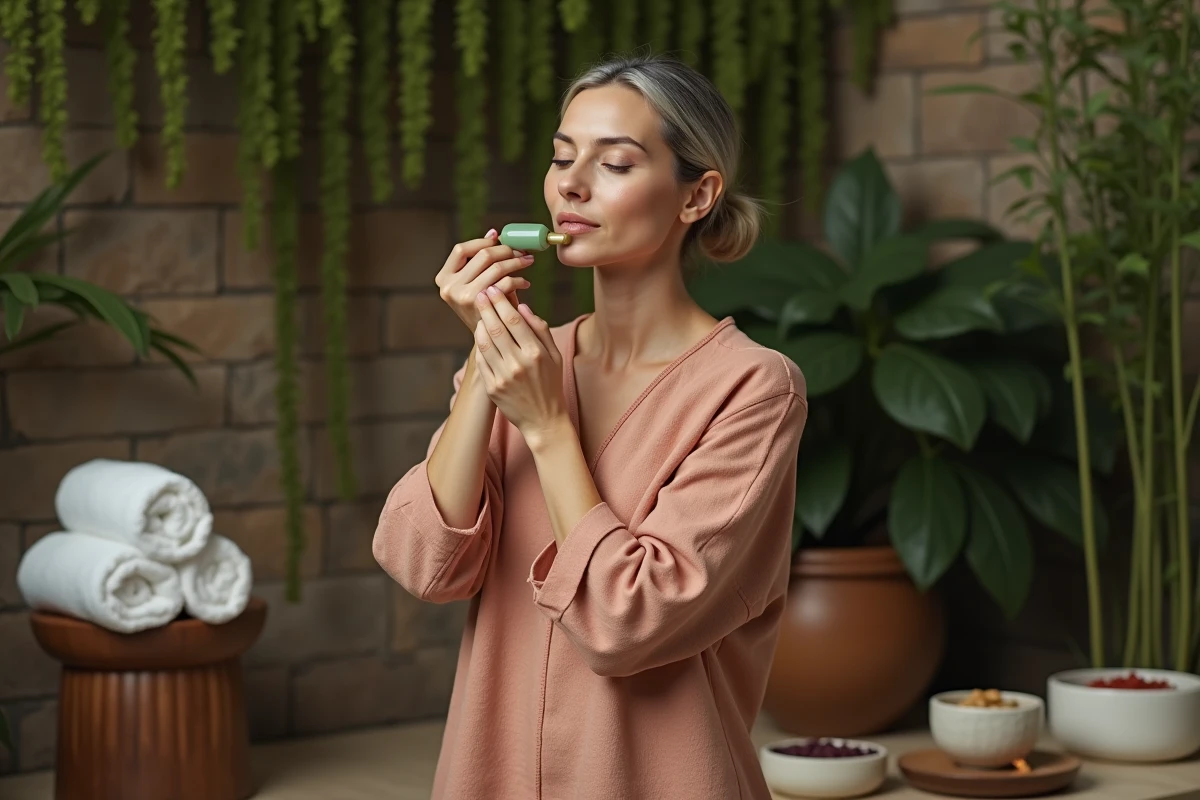
A foundation that hydrates, a blush infused with vitamin C, a lipstick enriched with hyaluronic acid. These formulations are no longer just marketing: they reflect a fundamental trend that the industry calls hybrid skincare.
The principle is simple. Instead of layering a cream, then a primer, then a foundation, a single product combines the active ingredients of skincare with the coverage of makeup. The time-saving is real, but the main benefit lies elsewhere: the skin receives active ingredients throughout the day, not just in the morning and evening.
What Actives Can Be Found in These Formulas?
- Niacinamide (vitamin B3), which regulates sebum and evens skin tone, incorporated into foundations and CC creams
- SPF filters directly integrated into makeup bases, eliminating an extra layer in the routine
- Peptides or botanical extracts in mascaras and lash treatments, to strengthen the fiber while applying makeup
The limit to keep in mind: an hybrid product does not replace a concentrated treatment if you have a specific skin issue (acne, rosacea, hyperpigmentation). It complements the routine, it does not replace it.
Personalized Beauty: Digital Diagnosis and Custom Formulas
Why apply the same serum as everyone else when your skin has different needs? Personalization, driven by digital tools, is becoming one of the main growth engines in the cosmetics market.
The process is accessible. You answer an online questionnaire or take a photo of your face. An algorithm analyzes your skin type, your concerns (wrinkles, spots, dehydration), and proposes a tailored formula. Some brands go further by adjusting the dosages of actives for each order.
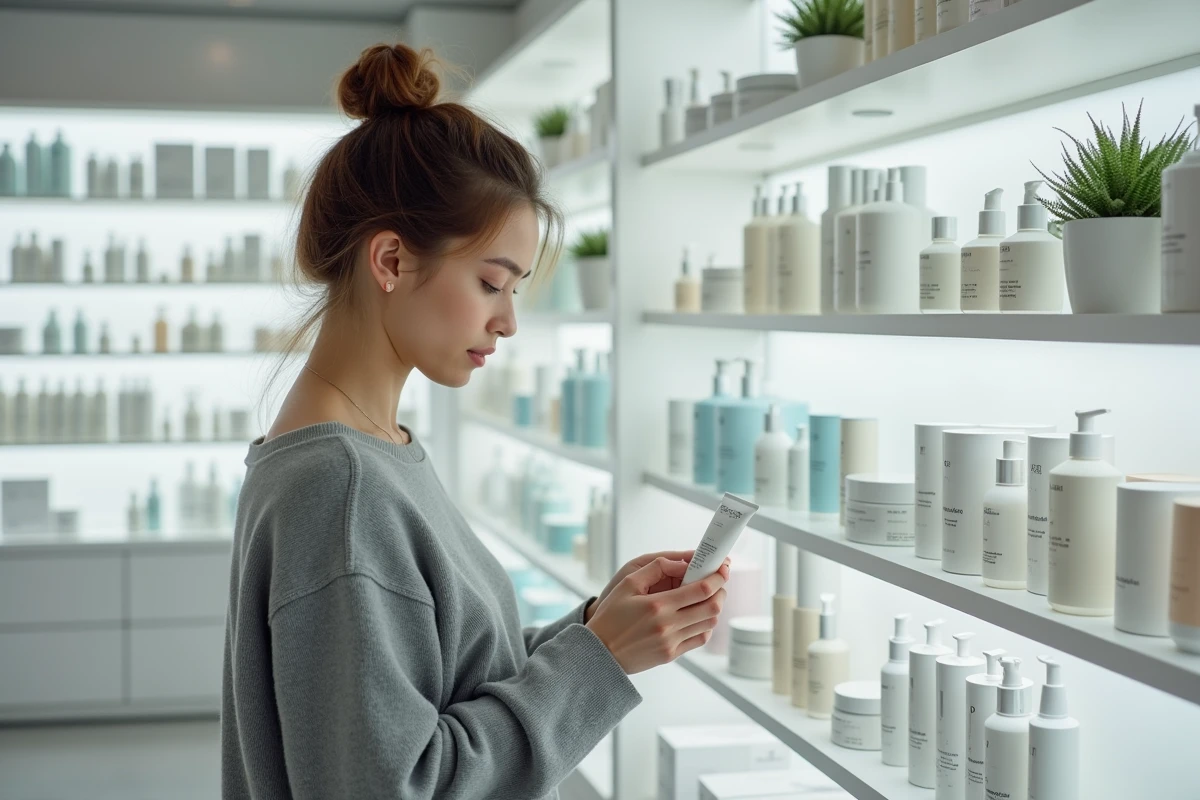
This is not science fiction reserved for luxury. Free online diagnostics are multiplying, including from mass-market brands. Artificial intelligence allows for the cross-referencing of hundreds of parameters (climate, age, sensitivity, sun exposure) to recommend a coherent routine.
What Personalization Changes in Daily Routine
No more impulsive purchases of unsuitable products. A personalized routine generally contains fewer products, but they are better chosen. The beauty budget does not necessarily decrease, but waste diminishes. You use each bottle to the end because it truly corresponds to your skin.
The real advancement is not technological; it is behavioral. We are moving from a logic of “this product is trendy, I buy it” to a logic of “this product is formulated for my skin, I use it.”
Vegan Cosmetics and Clean Beauty in France: Beyond the Label
Vegan, cruelty-free, and organic products are no longer niches. They now represent rapidly growing structural segments in the cosmetics industry, according to recent market reports.
What has changed is the discourse. A few years ago, buying a vegan product meant making a militant choice. Today, the skin health argument takes precedence over the ethical argument alone. Consumers choose these products because they contain fewer irritating ingredients, not just out of conviction.
- Clean formulas favor short, readable ingredient lists, free from synthetic fragrances and controversial preservatives
- The vegan label guarantees the absence of animal materials but says nothing about effectiveness: checking for the presence of concentrated actives remains necessary
- Certified organic cosmetics (Cosmos, Ecocert) impose precise thresholds for natural ingredients, distinguishing them from simply “natural” self-proclaimed products
France occupies a special place in this movement. The country remains one of the world’s leading markets for cosmetics, and French brands are investing heavily in reformulating their ranges to meet this demand.
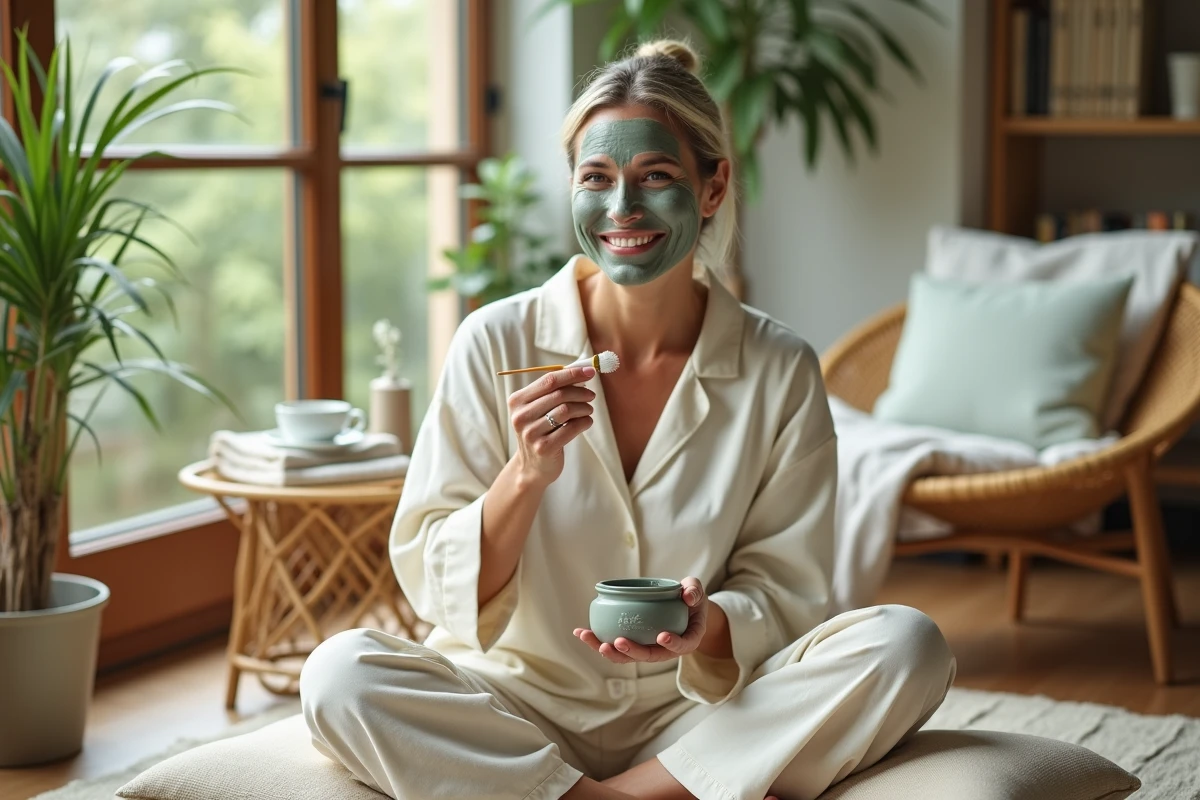
This year’s beauty and skincare trends converge towards the same principle: fewer products, better targeted, with actives that truly work. Whether through scalp care, hybrid formulas, digital personalization, or clean beauty, the daily routine gains precision. Pure makeup is receding in favor of products that care for the skin while enhancing it.
Now it’s a matter of choosing the references that correspond to your skin, not to your news feed.