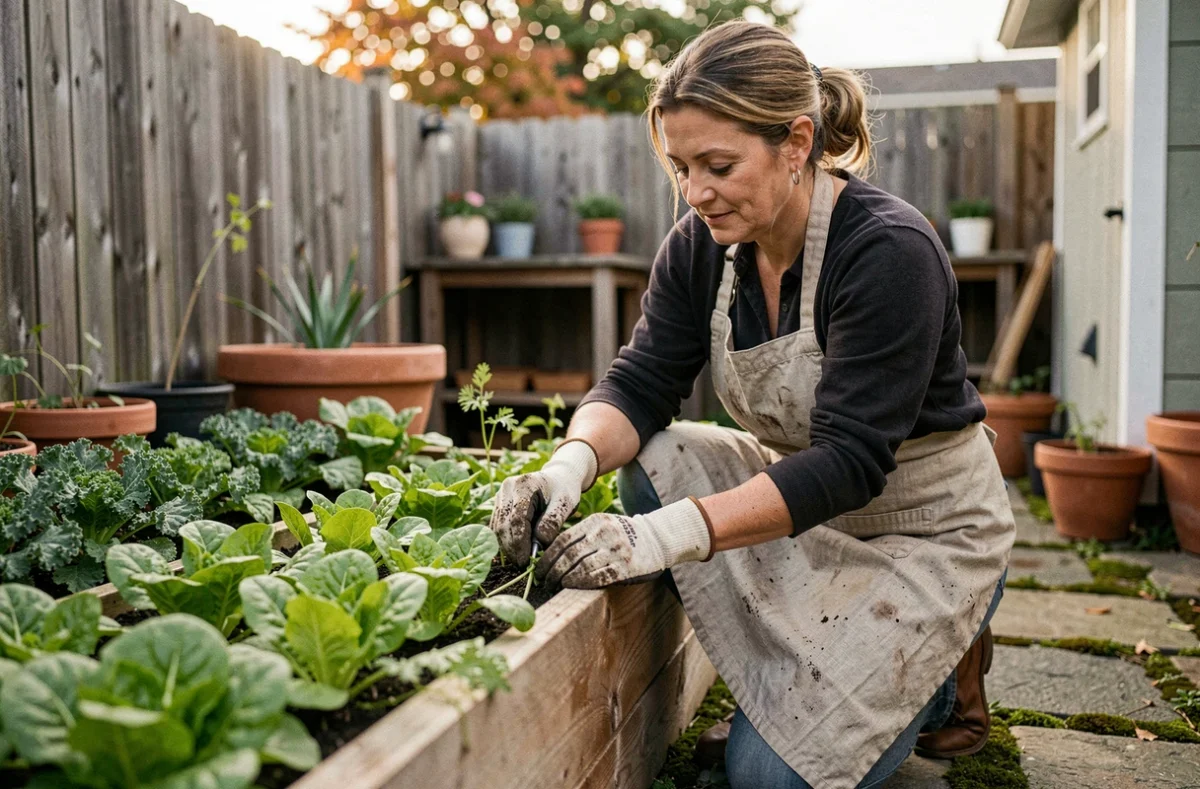
A vegetable garden that produces in January as well as in July takes more than a good choice of seeds. The real challenge lies on two often-overlooked fronts: adapting your sowing calendar to the actual conditions on your plot and ensuring a reliable water supply, even when a local drought order restricts watering in the height of summer. Starting with these two constraints is how you build a resilient vegetable garden, not just one that produces during the warmer months.
Vegetable gardens and watering restrictions: grow crops without wasting water
Have you noticed that gardening advice rarely covers what happens when water runs short? Watering a vegetable garden is not automatically exempt from drought restrictions. Depending on the area, water availability and local drought order in force, some regulations restrict watering to certain hours or even ban it altogether.
Before drawing up your summer watering plan, check the drought order that applies to your municipality. Rules vary from one department to another, and sometimes from one river basin to another within the same department. Assuming your vegetable garden will be exempt is a common mistake.
There are several practical ways to protect your crops from these restrictions:
- Collect rainwater in a tank connected to a gutter. This does not exempt you from checking the local rules governing its use, but it provides a valuable reserve when the mains supply is cut off.
- Cover the soil with a thick layer of organic mulch (straw, hay or wood chips). Mulching greatly reduces evaporation and keeps the soil moist for longer between waterings.
- Choose drip irrigation over sprinklers. Water is delivered directly to the base of each plant, with minimal waste, and watering can be scheduled for early morning, when most restrictions still allow it.
- Choose less water-hungry varieties for the summer months, such as cherry tomatoes, beans and squash, whose deep roots seek out moisture below the surface.
Building these habits into your garden from the outset helps ensure your harvests don’t stop at the first heatwave. For more detail on each technique and to discover useful resources, the vegetable garden section on Cultivons nos Racines explores these approaches by soil type and climate.
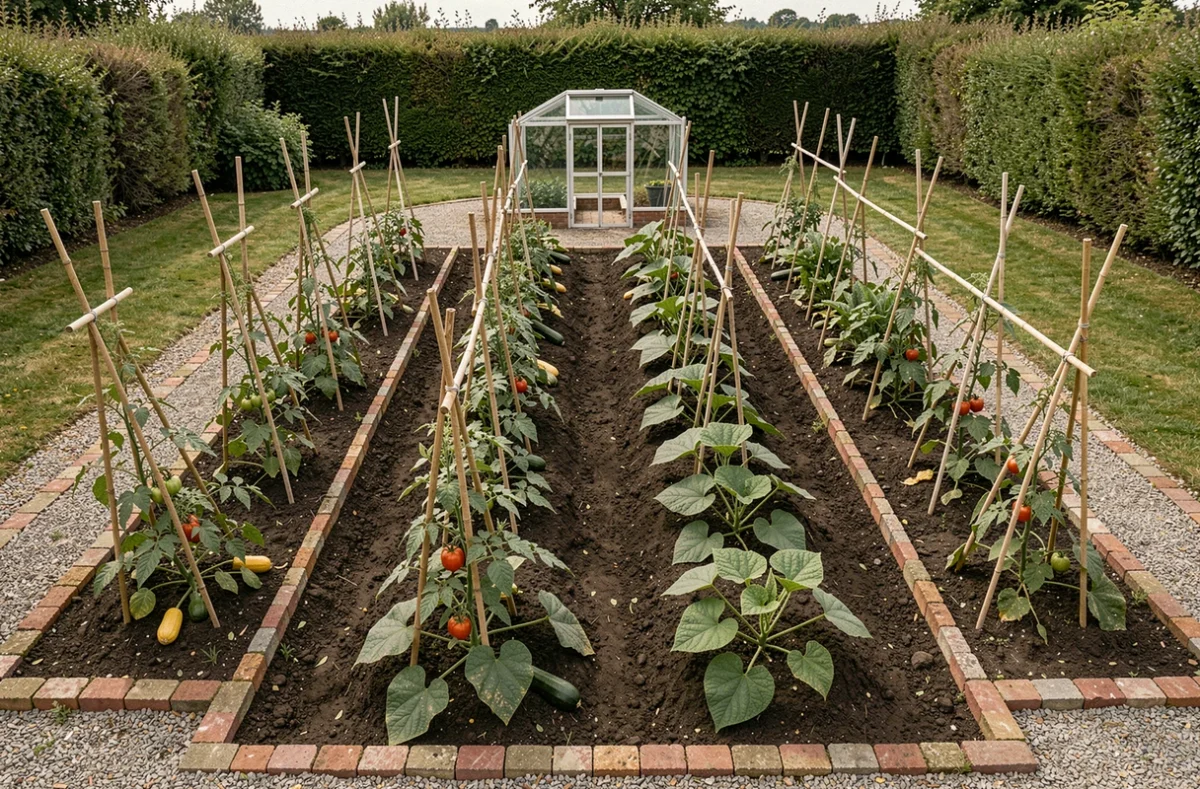
Sowing calendar: adjust dates to your plot, not a national average
Sowing calendars published online offer useful guidelines, but they obscure one important fact: the last frost date varies depending on your location and the specific features of your garden. A vegetable garden in a hollow will experience frost later in spring than one on a hillside, even if they are only a few hundred metres apart.
Daily readings from nearby Météo-France weather stations can help you check the minimum temperatures actually recorded in your area. Combining this data with your own observations (late frosts, shade cast by a building, prevailing winds) can make your calendar much more accurate.
Oceanic, continental or Mediterranean climate: more than a simple shift in dates
Guidelines for France’s different climates vary significantly, not just by a few weeks. In a Mediterranean climate, autumn sowing plays a major role: broad beans, peas and spinach are sown as early as October for a winter harvest. In a continental climate, these same crops are sown in spring, while root vegetables such as carrots and parsnips tolerate cold winters well when protected by a thick layer of mulch.
Adapting your calendar to the local climate rather than relying on a generic chart makes a difference to your vegetable garden’s productivity throughout the year. Exposure, altitude and the weather in any given year can shift dates by several weeks.
Living soil and pesticide-free growing: the foundation of a productive vegetable garden
Fertile soil nourishes plants, helping them better withstand diseases and pests. Amateur gardeners can no longer buy, store or use synthetic pesticides. This ban calls for a rethink of crop protection from the moment you plan your vegetable garden.
Why this regulatory choice? Because alternatives are available and effective, provided you plan ahead. Biocontrol (antagonistic fungi and beneficial bacteria) and beneficial wildlife (ladybirds, lacewings and hedgehogs) help control pests without chemical residues.
Build soil fertility season after season
Homemade compost remains your best ally. Spread it over the surface in autumn and it will break down slowly, nourishing soil life throughout the winter. In spring, soil rich in organic matter retains water better and releases nutrients gradually, directly benefiting nutrient-hungry vegetables such as tomatoes and squash.
Crop rotation complements this approach. Alternating plant families in each bed from year to year prevents soil depletion and breaks the cycle of disease. For example, not planting tomatoes (nightshades) in the same spot two years in a row helps reduce the risk of blight.
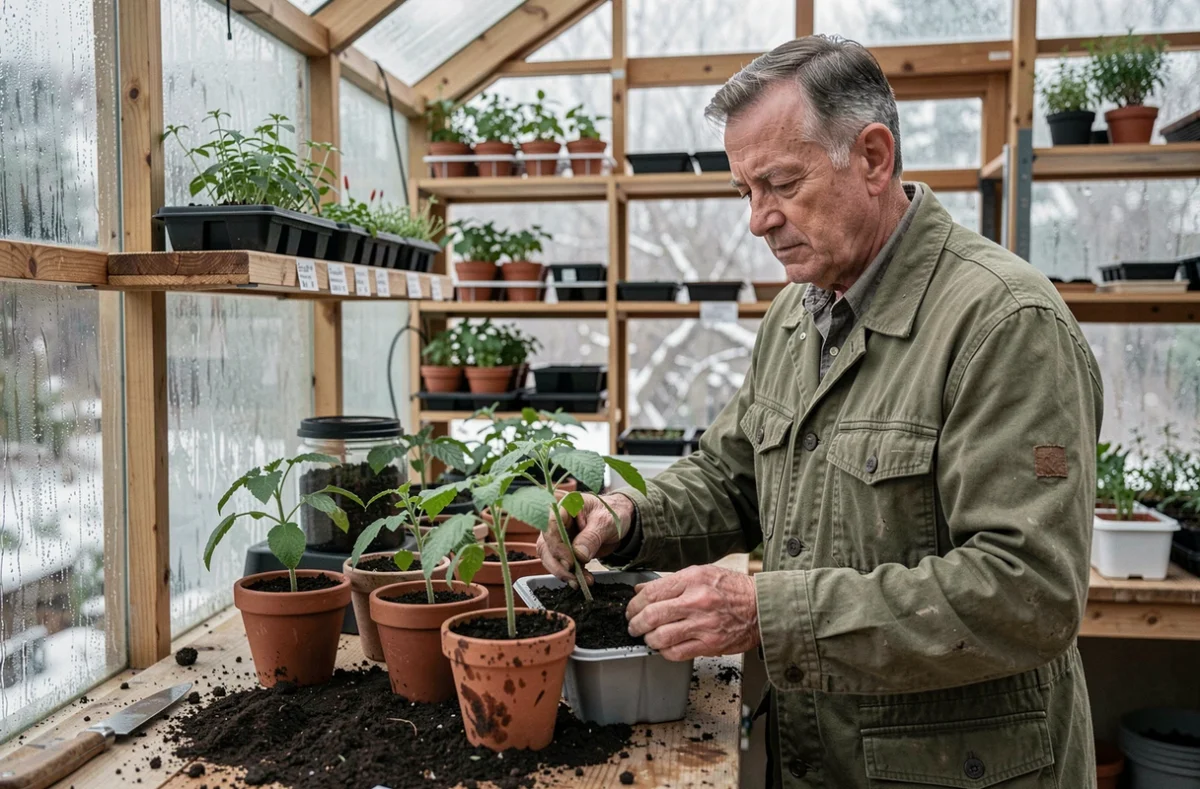
Extend the harvest into winter: greenhouses, cold frames and variety selection
Growing year-round means protecting some crops from the cold without artificial heating. A glazed cold frame placed over a bed of lamb’s lettuce or winter lettuce is enough to raise temperatures by a few degrees and keep plants growing.
A polytunnel or unheated greenhouse can extend the growing season by several weeks in both spring and autumn. Spring sowings can get started earlier under cover, while the last harvests of lettuce, radishes and spinach can continue into December.
Winter vegetables not to overlook
Leeks, cabbages, turnips, parsnips and spinach tolerate frost and provide regular harvests from November to March. So-called “seasonal” varieties are selected for their cold tolerance: Savoy cabbage, for example, can withstand below-freezing temperatures without a problem.
Sowing these crops in summer (July–August for winter leeks, August–September for spinach) gives them time to establish strong roots before the first cold weather. A productive vegetable garden all year round is planned six months ahead, not improvised as you go.
The key to a vegetable garden that produces continuously is neither its size nor your budget, but planning. Bringing together a local sowing calendar, water management and soil fertility can turn a few square metres into a source of fresh vegetables, even during the months when most gardens lie dormant.