A chaudoudou is more than just another stuffed toy on the sofa. Depending on the filling and intended use (a comfort toy or a heatable cushion), the requirements for making one can vary considerably. Fabric, filling materials and heating temperature all affect the item’s comfort, lifespan and safety, especially when it is intended for a child.
Heatable and non-heatable chaudoudoux: how the filling makes a difference
The filling alone determines whether a chaudoudou will be a simple comfort object or a heat pack that can be warmed in the microwave. The two types require different materials and sewing precautions.
| Feature | Non-heatable chaudoudou | Heatable chaudoudou |
|---|---|---|
| Common filling | Polyester stuffing, kapok, fabric scraps | Flax seeds, cherry pits, rice, wheat |
| Outer fabric | Cotton, fleece, felt, boiled wool | Untreated cotton (no synthetic fabric in contact with the microwave) |
| Microwave use | Not intended for microwave use | Yes, in short intervals |
| Washing | Machine wash at 30–40 °C, depending on the fabric | Removable, washable cover; seed pouch is not washable |
| Main risk | Weak seams, small decorative parts | Overheating, residual moisture in the seeds |
For a chaudoudou that will be heated, the outer fabric must be made from natural fibres (cotton or linen). Synthetic materials such as fleece or polyester may melt or release fumes when exposed to microwave heat.
When making a non-heatable comfort toy, you have more creative freedom. Felt, velvet and thick fleece are all suitable, provided the seams are sturdy and decorative features (eyes, buttons) are embroidered rather than glued or sewn onto the surface—especially for children under three.
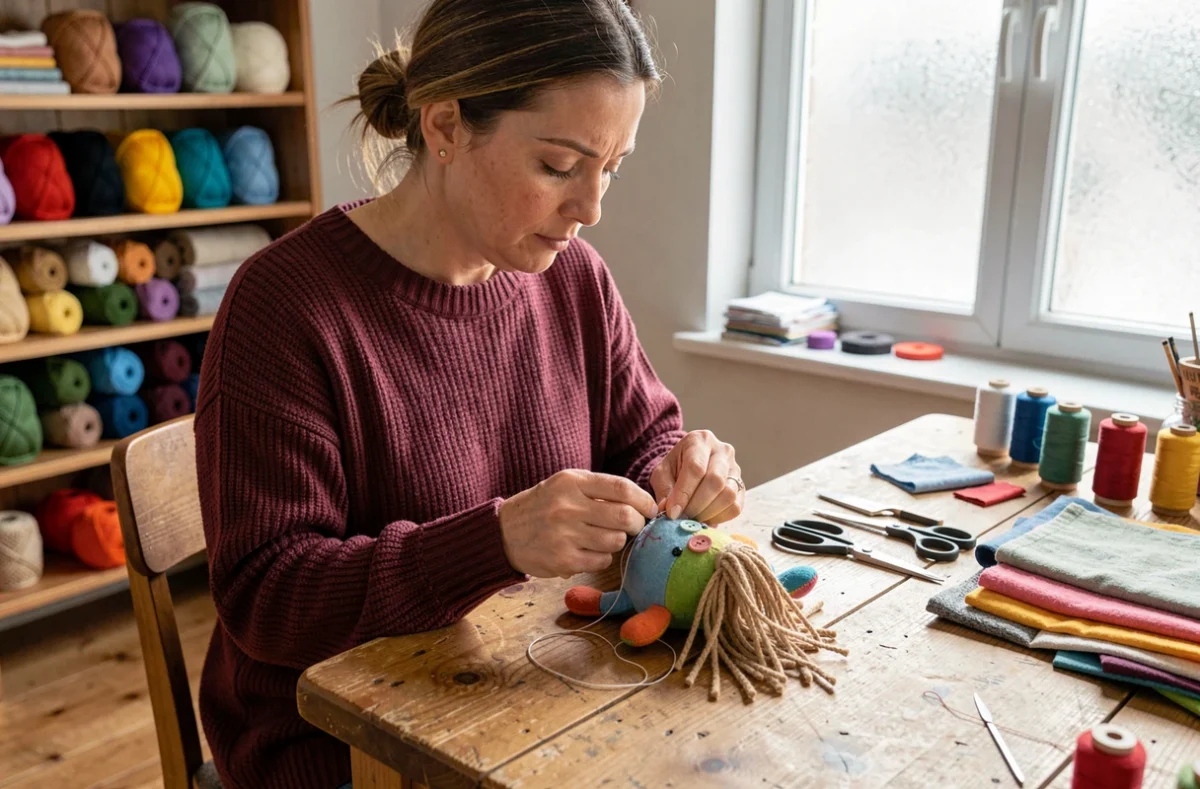
A detailed tutorial shows you how to make original chaudoudoux, adapting the pattern for a heatable or non-heatable version depending on the filling you choose.
Materials and safety for a homemade heatable chaudoudou
Making a handmade heat pack requires following a few rules that creative tutorials often overlook. Plant-based fillings react to heat and moisture, and improper use can cause burns or start a fire.
Choosing and preparing the seeds
Flax seeds retain heat better than other common fillings. They heat up quickly, stay warm for a long time and remain soft once warm. Cherry pits are better suited to larger items (such as lumbar cushions), as they release heat more gradually.
- Flax seeds: even warmth, soft texture, suitable for small sizes (chaudoudoux about the size of one to one and a half hands)
- Cherry pits: gentle, slow-release warmth; heavier and suitable for medium-sized items or cushions placed on a part of the body
- Rice or wheat: readily available and inexpensive, but they absorb moisture and can develop mould if not completely dry before use
- Rapeseed: lightweight and retains heat well, but can be harder to find in bulk
Whatever filling you choose, the seeds must be dry. If you buy them in bulk as food, spread them on a tray and leave them to air-dry for a day before filling the inner pouch.
Heating and usage instructions
Heat a chaudoudou in the microwave in 30-second intervals, for no more than 2 minutes in total. Any longer and the seeds may scorch on the inside, even if the outside does not feel unusually hot.
After each heating, feel all over the cushion to check for any concentrated hot spots. Never heat a damp or stained chaudoudou: residual water turns to steam and can cause burns on contact with the skin.
Never leave a heatable chaudoudou unattended in a bed, especially with a child. Use it to warm the sheets for a few minutes before bedtime, then remove it.
Pattern and sewing: choose a shape to suit your skill level
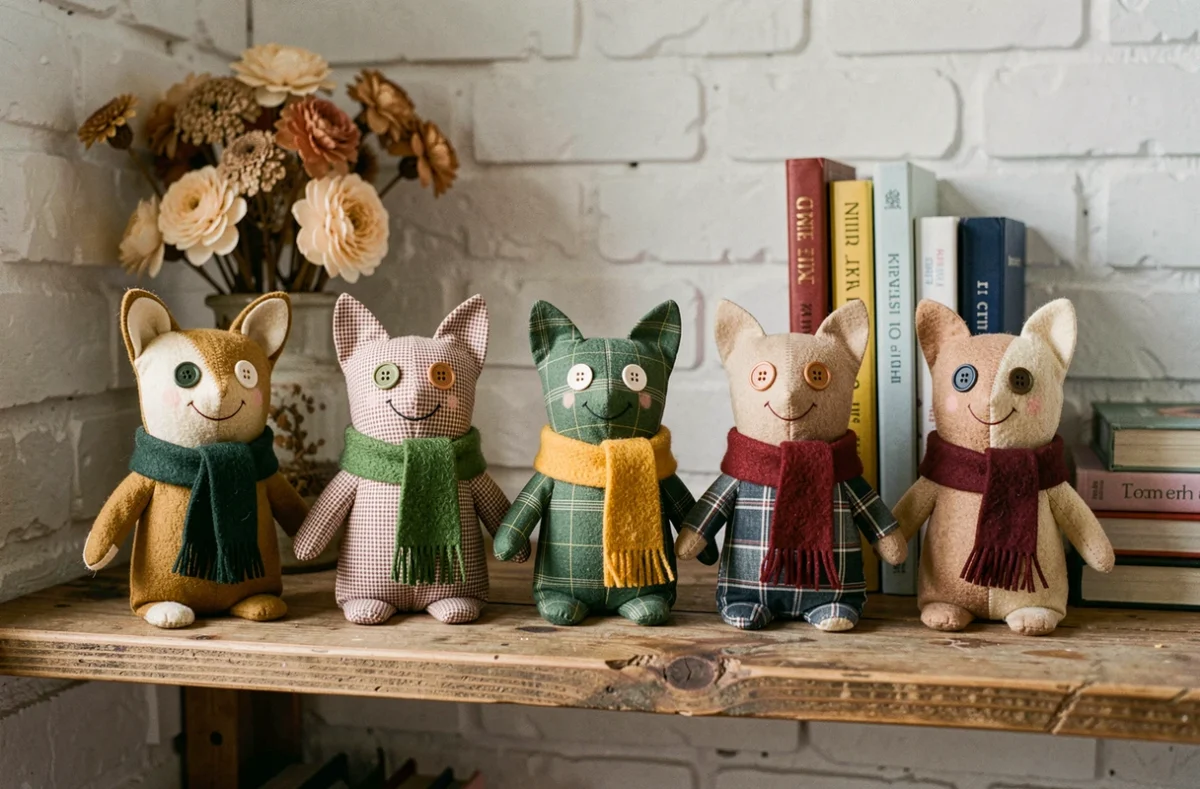
Simple shapes (hearts, stars, rounded rectangles) are suitable for beginners and take less than an hour to make with a sewing machine. Animal shapes (cats, hedgehogs, owls) require a multi-piece pattern and more precise finishing.
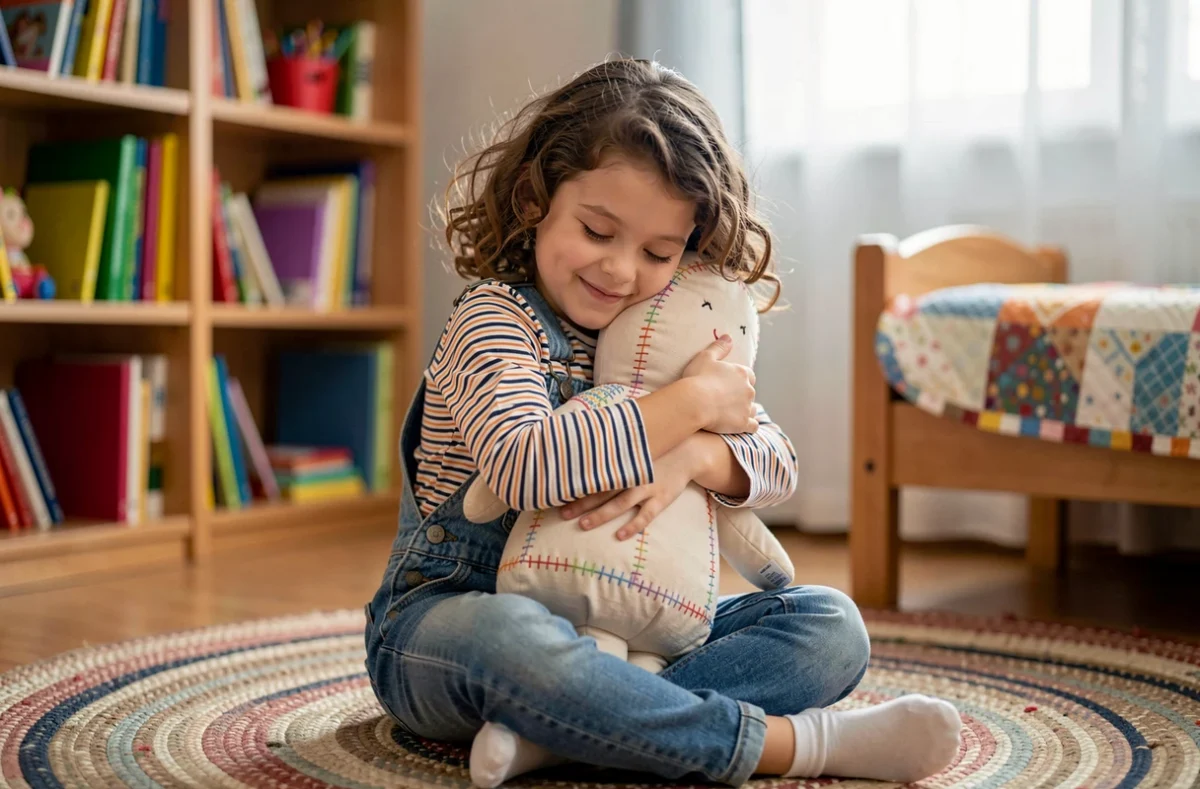
Double-pouch construction for heatable versions
The technical detail that sets a durable heatable chaudoudou apart from a flimsy homemade project is its double-pouch construction. The inner pouch, made from undyed natural cotton, holds the seeds. The decorative outer cover can be removed for washing.
Sew the inner pouch with a generous seam allowance and tight stitches. The seeds put pressure on the seams every time the cushion is handled. A simple straight stitch is enough, as long as you sew over the corners twice.
Child-safe finishing touches
- Embroider the eyes and mouth with thread instead of gluing or sewing on buttons (which pose a choking risk for children under three)
- Avoid long ribbons or decorative cords that could wrap around a child’s neck
- Choose shapes without small, thin protrusions (legs, pointed ears), which wear out faster and are more likely to tear
If you’re giving a chaudoudou as a gift, sew a label inside with the heating instructions. A card tucked into the packaging works too, but is more easily lost.
Original chaudoudou ideas for different occasions
A Christmas chaudoudou could be shaped like a mitten filled with flax seeds, flat enough to slip into a coat pocket. It’s practical, quick to sew and genuinely useful throughout the colder months.
Animal shapes are always popular for birthdays and new babies. A little red cotton fox filled with cherry pits combines the look of a comfort toy with the function of a heat pack. The ideal size fits in both an adult’s hands: large enough to provide warmth, yet small enough to carry in a bag.
Group workshops (with friends, in a classroom or at a community centre) work best with simple, symmetrical patterns: hearts, moons and clouds. Each participant can personalise their chaudoudou by choosing the fabric and embroidery, without making the sewing more complicated.
A chaudoudou is an object whose value lies as much in the thought behind it as in the technique. With fabric suited to the chosen filling, sturdy seams and a few basic heating precautions, the result is a useful gift that will see you through the winter instead of ending up at the back of a drawer.